The Royal Blue train, a luxurious passenger service operated by the Baltimore and Ohio Railroad (B&O), was a shining example of American streamlining and an iconic symbol of the golden age of rail travel. Running between New York City and Washington, D.C., the Royal Blue was the pride of the B&O from its inception in the 1890s, and it earned a revered place in railway history for its innovation, style, and enduring legacy. Known for its distinctive blue and silver livery, the Royal Blue combined high-speed performance with sleek, modern design, setting a high standard for American passenger trains.

Early Beginnings and Development
The Royal Blue’s origins date back to 1890, when the Baltimore and Ohio Railroad sought to compete with the Pennsylvania Railroad for the lucrative New York-to-Washington route. Known as America’s first fully electrified train route, the Royal Blue service initially operated with steam engines and later incorporated electric locomotives for part of its journey. Over time, the B&O invested heavily in its infrastructure and equipment, positioning the Royal Blue as a premier passenger service known for its comfort and reliability.
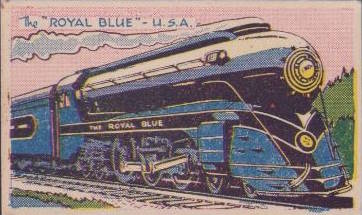
By the 1930s, with the growing popularity of streamlining and Art Deco design, the B&O decided to revamp the Royal Blue to reflect the sleek, futuristic aesthetics that were sweeping the transportation industry. In 1937, they introduced a thoroughly modernized Royal Blue train, equipped with streamlined, stainless steel coaches and an ultra-modern EMC EA locomotive, designed to provide powerful, high-speed service with a visually striking appearance.
Streamlined Design and Technology
The Royal Blue’s redesign in the 1930s marked a turning point for the train. Its new EA-EB diesel-electric locomotives were not only cutting-edge in terms of technology but also presented a striking visual departure from the steam engines that had previously powered the route. The locomotives, with their streamlined, bullet-like noses and chrome accents, were instantly recognizable and gave the Royal Blue an appearance that symbolized speed, modernity, and elegance. The livery was a brilliant blue with silver accents, which complemented the stainless steel coaches and became a symbol of the train’s high-class service.
Inside, the Royal Blue provided amenities that appealed to the discerning traveller. Spacious seats, air-conditioning, elegant dining cars, and observation cars created a comfortable and sophisticated atmosphere for passengers. The interior design reflected Art Deco influences, with clean lines, polished wood, and metallic finishes, contributing to a feeling of luxury and exclusivity.
A Legacy of Innovation and Service
The Royal Blue was celebrated for its punctuality, comfort, and speed. It competed fiercely with the Pennsylvania Railroad’s Congressional service, and while the B&O’s route was slightly longer, the Royal Blue maintained a loyal following due to its excellent service and scenic journey through the Blue Ridge Mountains and along the Potomac River. The train became a favourite for politicians, business leaders, and travellers who appreciated both its aesthetic appeal and reliable service.
However, by the 1950s, the rise of air travel and the expansion of highways began to undermine passenger rail services across the United States. Despite its reputation and loyal clientele, the Royal Blue could not compete with the increasing convenience and speed of airplanes. In 1958, the Baltimore and Ohio Railroad discontinued the Royal Blue service, marking the end of an era.
Enduring Influence and Cultural Legacy
Though it no longer operates, the Royal Blue remains a celebrated chapter in American rail history. It was a train that combined luxury, speed, and modern design in a way that captured the public’s imagination and set a standard for passenger rail. Collectors and rail enthusiasts still hold the Royal Blue in high regard, and its streamlined EA locomotive and distinctive blue-silver colour scheme are remembered as symbols of America’s golden age of railroads.
Related
The Royal Blue Train America’s Icon of Streamlined Elegance


