The National Railway Museum (NRM) in York is one of the world’s leading museums dedicated to the history and development of rail transport. With a vast collection of over a million railway-related items, including historic locomotives, carriages, and artifacts, it offers visitors a fascinating insight into the evolution of railways in the UK and around the globe. The museum is part of the Science Museum Group and is located just a short walk from York’s city centre, making it a popular destination for railway enthusiasts and families alike.
History of the Museum
The National Railway Museum opened its doors to the public in 1975, but its origins can be traced back to the early 20th century, when the first attempts were made to preserve historic railway artifacts. The museum was created as part of an effort to safeguard the UK’s rich railway heritage, particularly in the wake of modernization efforts that saw many steam engines and old rail infrastructure replaced by newer technologies.
The museum is located on the site of York’s former steam locomotive depot, giving it a fitting connection to its exhibits. Since its opening, the NRM has grown to become the largest railway museum in the world, attracting hundreds of thousands of visitors each year.
Main Displays and Collections
The NRM’s vast collection is spread across several themed galleries, each offering a different aspect of railway history.
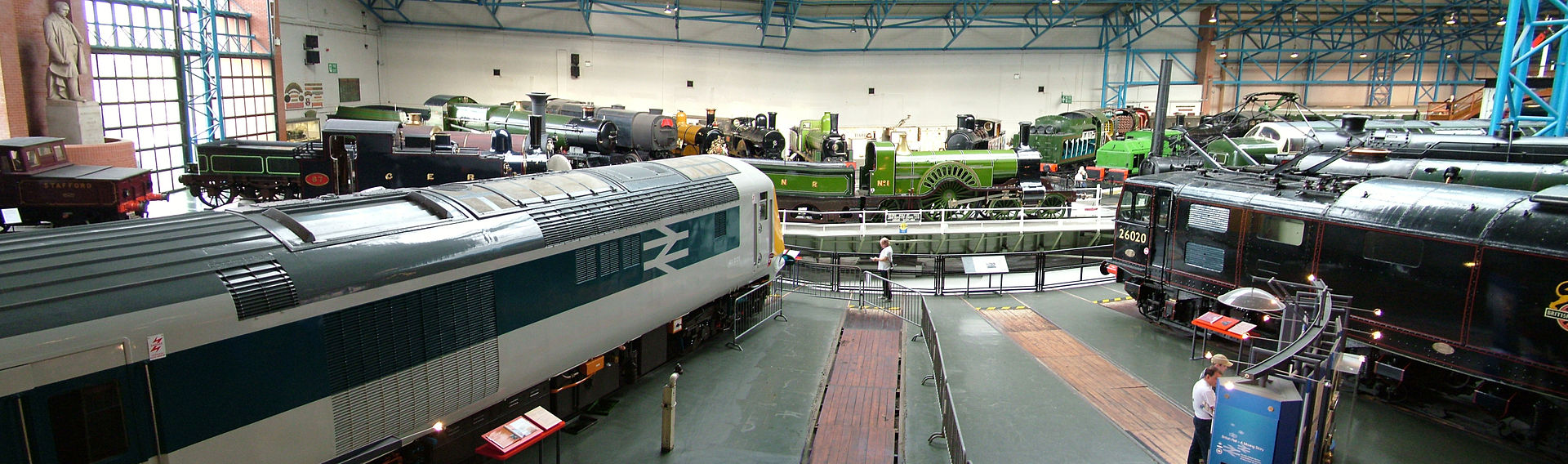
The Great Hall is the centrepiece of the museum, home to some of the most iconic and important locomotives in British history. One of the highlights is The Mallard, the world’s fastest steam locomotive, which set the world speed record for steam in 1938. Alongside the Mallard, visitors can see the Flying Scotsman, perhaps the most famous steam engine of all time, which achieved the first officially recorded speed of 100 miles per hour.
Another notable exhibit in the Great Hall is The Duchess of Hamilton, a streamlined locomotive from the 1930s, reflecting the Art Deco style of the period and the desire for faster, more stylish trains. The hall also includes a variety of other engines, including Shinkansen No. 22-141, a Japanese bullet train, representing the modern era of high-speed rail.
Station Hall is another major area of the museum, set in a former railway goods depot. This space showcases a collection of royal carriages, offering a glimpse into the luxurious rail travel enjoyed by British monarchs. Among the standout pieces are the carriages used by Queen Victoria and King Edward VII, which feature ornate interiors and demonstrate how the railways were a symbol of prestige and status for royalty.
The Workshop is a working exhibit where visitors can observe engineers restoring and maintaining historic locomotives and carriages. This behind-the-scenes look at the restoration process is a fascinating insight into the challenges of preserving railway history for future generations.
Interactive Exhibits and Special Events
The National Railway Museum is also known for its interactive displays and educational programs, making it a fun and engaging experience for visitors of all ages. One of the most popular attractions is the Turntable Demonstration, where visitors can watch as locomotives are turned on a traditional railway turntable, just as they would have been during the steam era.
Throughout the year, the museum hosts special exhibitions, family-friendly events, and talks. The Annual Railfest is a major event that brings together a variety of locomotives, new and old, for live demonstrations and displays.
For younger visitors, the Miniature Railway offers a chance to take a short ride on a small train, providing an engaging way to introduce children to the world of railways. The Play Station is a dedicated area for children, with interactive displays and games focused on trains and railway-related activities.
Other Interesting Facts
- The museum is home to more than 100 locomotives and nearly 300 rail vehicles, ranging from early steam engines to modern electric trains.
- It has the largest collection of railway artifacts in the world, including posters, signs, models, and more than 500,000 photographs documenting railway history.
- The NRM holds the National Collection of Railway Rolling Stock, ensuring that many of the key developments in railway technology are preserved.
- Admission to the museum is free, although donations are encouraged to support its ongoing work.
The National Railway Museum offers a unique journey through time, allowing visitors to explore the technological and social impact of railways over the centuries. Whether you’re a dedicated railway enthusiast or simply curious about this pivotal aspect of industrial history, the museum provides a rich and engaging experience that celebrates the power and legacy of rail travel.
Location
National Railway Museum
Leeman Road
York
YO26 4XJ
For full and up to date details visit https://www.railwaymuseum.org.uk/


